EN
Hot Stamping Foil on UV-Varnished Cartons: What Buyers Should Check
2026/10/28
Gold foil can be stamped on selected UV-varnished cartons, but the surface and foil must match. Learn what to check before approving a finished box.
2026/09/28
2026/09/28
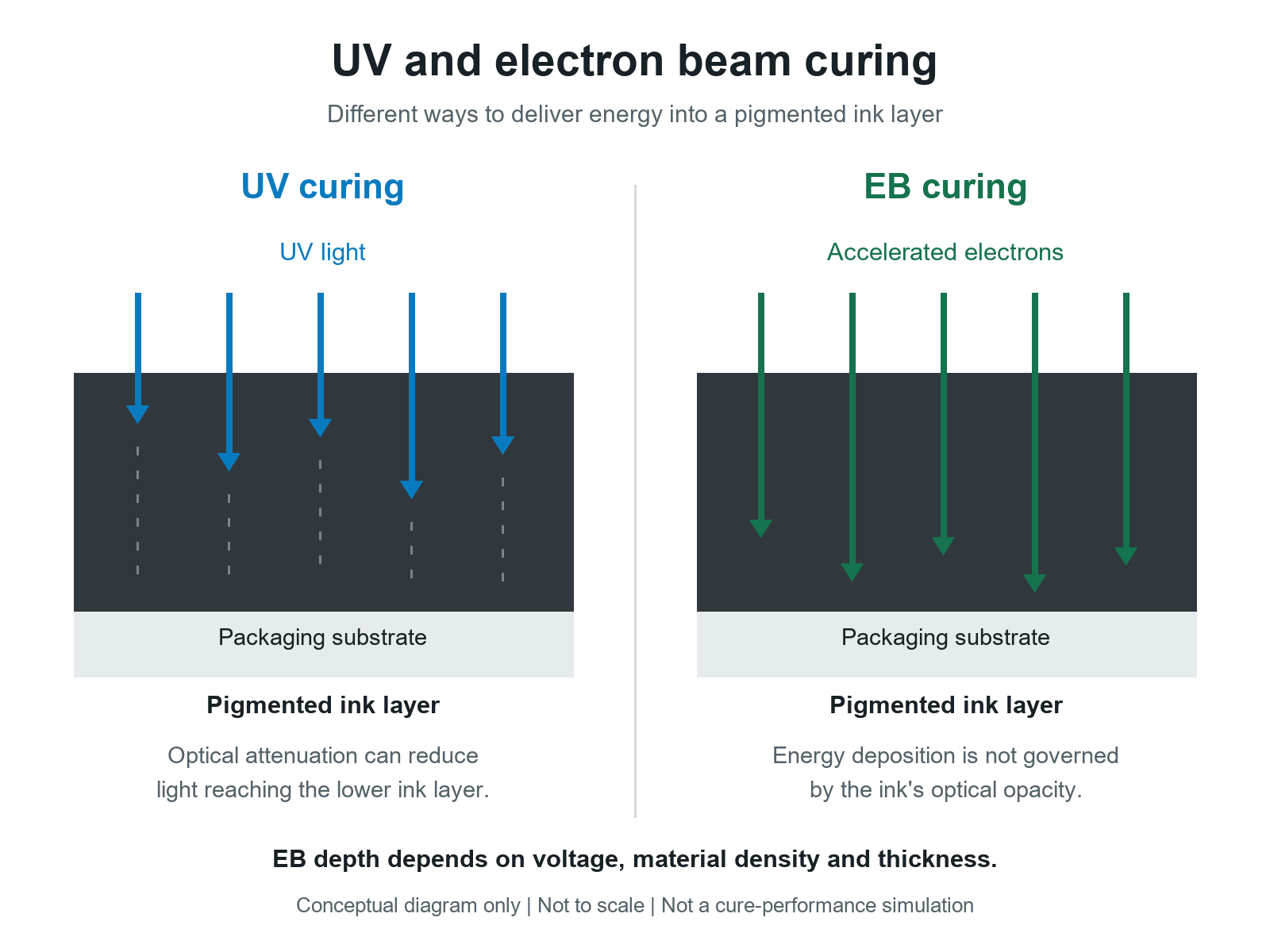
A dark ink can look dry at the surface while its lower layer remains insufficiently cured. For packaging printers, the concern is not simply appearance: inadequate cure can compromise adhesion and downstream converting. Electron beam curing offers a different way to deliver energy into an ink layer when pigment limits the penetration of ultraviolet light.
Its advantage is specific. EB does not rely on optical transparency, but successful curing still depends on the formulation, material stack and process settings. It is a technology to evaluate against an actual print job, not a universal cure for every dark color.
Conceptual comparison of UV light attenuation and electron-beam energy deposition in pigmented ink layers. Not to scale; no cure performance is implied.
In typical free-radical UV ink systems, a photoinitiator absorbs light and starts polymerization. Pigments can absorb or scatter that light, reducing the energy available deeper in the deposit. Heavy black solids are a familiar example, but opaque white can also be challenging. The relevant property is optical density at the curing wavelengths, not whether a color looks dark to the eye.
That does not mean UV cannot cure opaque inks. Flint Group, for example, documents a UV LED-curable opaque white formulated for that process. Before changing technology, assess the ink and lamp match, delivered UV energy, ink deposit and production speed with the suppliers. A formulation or exposure problem may be correctable on the existing line.
ESI explanation of UV and EB penetration | Flint Group UV LED opaque white technical sheet
An EB unit accelerates electrons and directs them into the material. In common EB-curable acrylate systems, their energy initiates polymerization without a photoinitiator. This is different from heating an ink until solvent evaporates.
Electron penetration depends on material density and composition rather than optical opacity. This makes EB attractive for heavily pigmented inks, where optical attenuation restricts UV exposure. However, adding pigment can increase density, and additives can still interfere with the curing chemistry. A titanium-dioxide-rich white and a carbon-black ink therefore should not be treated as identical simply because both are opaque.
The practical question is whether sufficient energy reaches the full ink thickness in the proposed construction. Color alone cannot answer it, and a thicker deposit or additional layers can change the result.
ESI description of the electron-beam process | PCT technical analysis in UV EB Technology
An equipment specification should separate penetration from absorbed dose. Increasing voltage is not a substitute for checking dose, and a quoted maximum speed is meaningful only with its stated operating conditions.
| Process variable | What to establish |
|---|---|
| Accelerating voltage in kV | Electron energy and penetration through the actual material stack. |
| Absorbed dose in kGy | Energy absorbed per unit mass and the dose required by the formulation. |
| Beam current and web speed | Their relationship to delivered dose at the selected operating conditions. |
| Residual oxygen | The permitted level for surface cure in the selected chemistry and curing zone. |
For a concrete equipment example, PCT lists its Core 100 at 80 to 100 kV, with a maximum surface dose of 30 kGy at 183 m/min and 100 kV, and a nitrogen inerting level of no more than 200 ppm oxygen. These are that machine's published specifications, not a recommended recipe for every ink.
Typical free-radical EB inks and coatings require oxygen control, commonly using nitrogen. A line-speed increase must be validated, not assumed safe because the displayed dose is unchanged: research has demonstrated dose-rate effects in some acrylate formulations.
PCT Core 100 specifications | RadTech study of dose-rate effects
Commercial EB applications include flexographic and offset packaging inks and protective overprint coatings. Sun Chemical offers dedicated EB-curable products for paper, board, film and plastic packaging. This is an established industrial route, not a newly discovered printing effect.
The ink and substrate must be qualified together. An existing UV ink is not automatically an approved EB ink, even where the resin chemistry is related. Nor does reduced dependence on pigment transparency guarantee adhesion, flexibility or heat-seal performance.
EB can limit substrate heating compared with some drying arrangements, but it is not a zero-heat process. Some substrate grades can be affected by irradiation. Film stability and converting performance belong in the trial alongside ink cure.
Also establish which layer is being cured. An EB-cured overprint varnish applied to a printed web is not evidence that the underlying printing ink is EB-curable. Curing the protective coating does not automatically cure an unrelated ink beneath it.
Sun Chemical commercial EB ink range | Sun Chemical EB inks and coatings presentation
Electron beam curing describes how a reactive layer is cured; cold foil transfer and cast-and-cure describe decoration processes. They are not interchangeable terms. EB-based cast-and-cure systems exist, but their use does not establish that a conventional UV coating, adhesive or casting film is compatible with EB.
For a decorated package, map the layer sequence and irradiated side before selecting a process. Material between the beam and the reactive layer affects energy delivery. A thin metallized layer and a bulk aluminum foil are different constructions; metallic appearance alone is not a compatibility test.
Check foil transfer and release, adhesion, and any subsequent overprinting in the actual construction. For cast-and-cure work, also evaluate pattern replication and film release. A hard coating alone does not prove that the decorative process has worked.
ESI cast-and-cure application | ESI discussion of material penetration
Start with the job that is difficult to run, rather than a clear coating on an easy substrate. Send the equipment and ink suppliers the substrate grade, layer sequence, pigment coverage, maximum ink deposit, target speed and downstream operations. Include both dense solids and any opaque white in the test artwork.
EuPIA emphasizes application-specific verification for food contact materials. Its energy-curing safety guidance also identifies EB as ionizing radiation requiring adequate shielding. These are adoption requirements, not issues that disappear once an ink cures successfully.
EuPIA food contact material ink guidance | EuPIA safe use of energy-curing inks
Not by itself. It can enable an appropriate high-pigment formulation to cure without relying on light transmission. The visual result still comes from the ink, deposit, substrate and artwork.
No. Equipment integration, approved ink or coating chemistry, oxygen control and substrate compatibility must be established. EB is not a replacement lamp fitted to any UV unit.
No. Curing polymerizes a reactive material. Lithography writes fine patterns during origination or microfabrication; it answers a different manufacturing problem.
Electron beam curing is worth evaluating when optical attenuation repeatedly limits a packaging job. The decision should rest on verified cure throughout the intended construction and acceptable finished-package performance, not on ink color or a headline machine speed alone.
2026/10/28
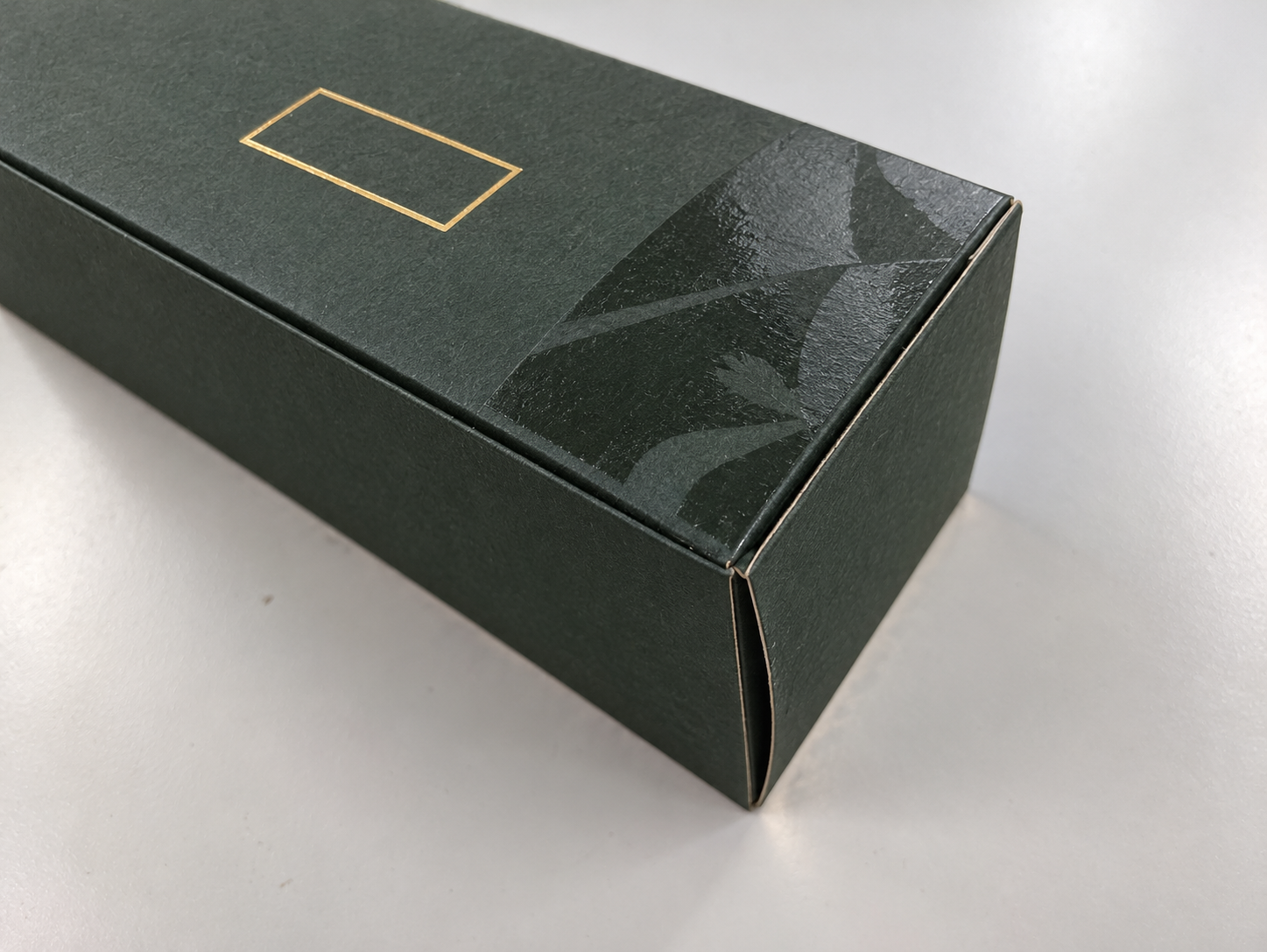
Gold foil can be stamped on selected UV-varnished cartons, but the surface and foil must match. Learn what to check before approving a finished box.

2026/10/26
Gold foil can look perfect on a flat carton and crack after folding. See what to check in the artwork, board, crease and finished sample.
2026/10/27
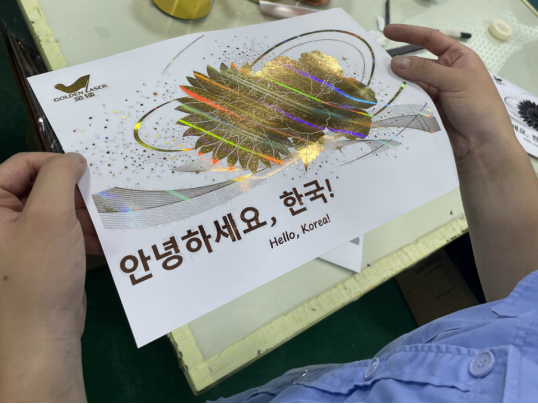
Hot stamping foil delivers metallic and holographic decoration for packaging, with reliable release, adhesion, and press performance.
2026/10/26
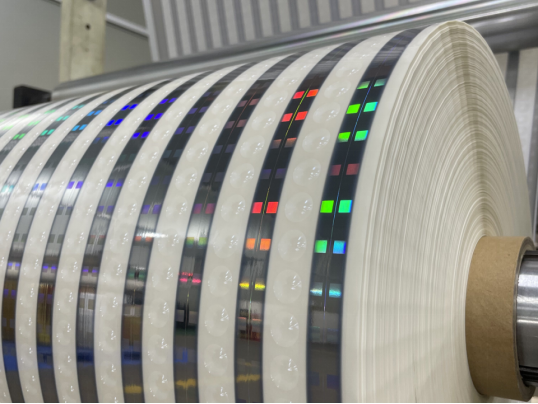
Holographic foil and hologram technology add layered authentication to packaging, supporting brand protection with verifiable optical security.
2026/10/23
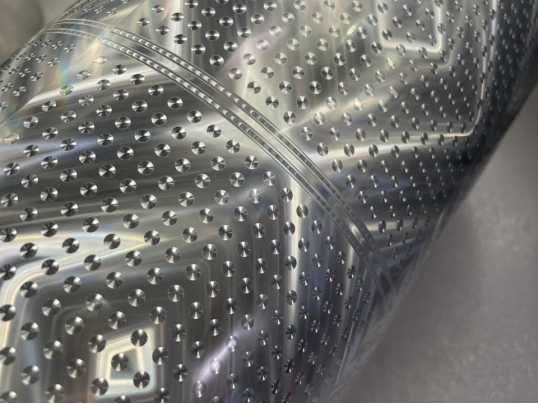
Holographic foil and hot stamping elevate packaging perceived value with consistent optical effects for premium cartons.
2026/10/22
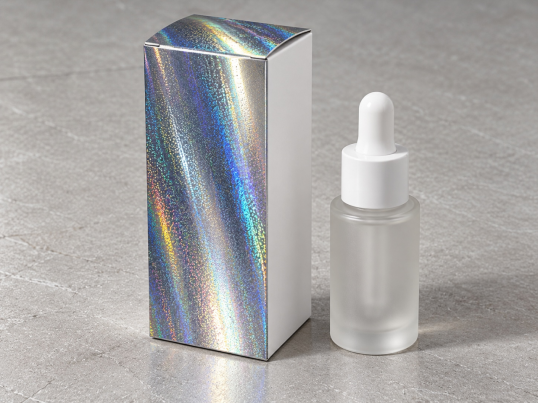
Holographic paper for cosmetic cartons adds light-shifting effects, foil stamping performance, and premium shelf appeal for beauty packaging.