EN

Hot Stamping Foil on UV-Varnished Cartons: What Buyers Should Check
2026/10/28
Gold foil can be stamped on selected UV-varnished cartons, but the surface and foil must match. Learn what to check before approving a finished box.
2026/10/23
2026/10/23
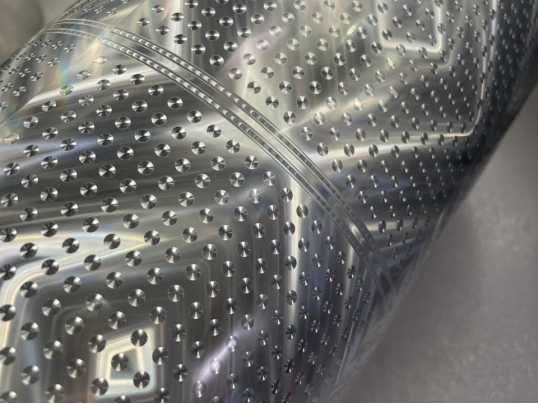
Perceived value is not just a price tag. It is a quick judgment formed when a shopper sees a package on a crowded shelf, picks it up, turns it under store lights, and decides whether the product feels premium, trustworthy, or ordinary. Holographic printing earns attention in that moment because it changes how light behaves on the surface. A holographic foil that delivers a rainbow color shift, reveals a hidden pattern, or throws a clean highlight can make a conventional carton feel closer to a luxury object. That shift matters in categories where products look similar and functional differences are hard to see. It signals investment in tooling, substrate control, and inspection, which buyers often read as a proxy for quality. The real challenge is turning that optical spark into a repeatable specification, not a one-off sample that fails on press.
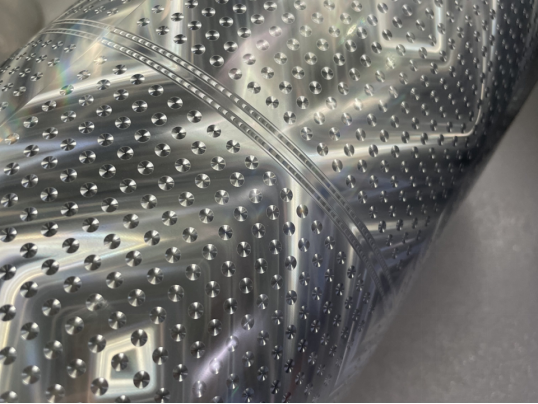
Holographic printing combines microstructured relief patterns with a reflective layer, usually aluminum, and a release and adhesive system that allows transfer to paper, board, or label stock. The microstructure diffracts white light into specific angles, so the eye sees color movement rather than a flat printed image. In hot stamping, heat and pressure transfer the foil in one pass. In cold transfer, adhesive is printed first and the foil is nipped onto the substrate; fine-detail reproduction and suitability for heat-sensitive materials depend on the adhesive, curing route, foil and press setup. Perceived value comes from three visual cues: motion, depth, and authenticity. Motion catches attention from a distance. Depth suggests craft. Authenticity, when paired with serialized or hidden features, supports trust. A package does not need every cue at maximum intensity. Too much sparkle can read as cheap if the pattern is noisy or registration is loose. The best results usually come from a restrained design that uses one strong diffractive zone, clean negative space, and a consistent background.
Different metallization routes create different visual effects. The following comparisons focus on the finish and the conditions needed to reproduce it.
Metallic ink uses reflective particles in an ink film. It can create a metallic appearance, but ordinary metallic ink does not reproduce the changing optical structure of a holographic foil.
Cold foil transfer uses a printed adhesive pattern. With a suitable holographic foil it can reproduce detailed decorative or security-oriented effects. Brightness and edge quality depend on the full printing and bonding system.
Hot stamping uses a heated tool and pressure to transfer a compatible foil. It can produce metallic or holographic effects, with detail governed by the die, release properties, substrate and settings.
Neither hot nor cold transfer has a fixed security rating. Authentication depends on the selected optical design, controlled supply and verification procedure; a premium visual impression also depends on the finished pack rather than the process name.
These options are not a fixed quality ranking. A beauty carton may combine cold foil with a suitable matte or tactile coating, while another design may use a registered hot-stamped hologram. Soft touch comes from the selected coating or substrate, not from cold foil alone. The right choice depends on the shelf environment, substrate, run length and authentication requirements. Common packaging applications include spirits, cosmetics, gift boxes and pharmaceutical cartons.
Holographic printing can raise perceived value, but it cannot rescue a weak brand story or poor structural design, and it is not a drop-in ink. The effect interacts with board roughness, coating chemistry, stamping temperature, dwell time, and die design. When those variables are aligned, the package gains a tactile and visual premium cue that plain metallic ink cannot match. When they are not, the same effect turns dull or patchy.
The effect also has limits. Very rough or highly absorbent stocks can scatter light and reduce brightness. Some recycled boards need a coated surface or a primer to achieve clean transfer. Hot stamping holographic foil can be less forgiving on complex three-dimensional surfaces, while cold-transfer brightness depends on the foil, adhesive layer, substrate and any overprinting or varnish. There is also a cost and complexity trade-off. A larger holographic area uses more foil and demands tighter process control. A smaller registered patch can deliver a strong cue with less waste. Smart specifications often define the exact viewing angle, the approved substrate, the target adhesive, and the inspection criteria before production. ISO 22383:2020, which provides guidelines for selecting and evaluating authentication solutions for material goods, is a useful reference for teams that want the holographic element to support authentication as well as shelf appeal. The goal is a controlled optical effect that reinforces the brand and survives real converting conditions.
For packaging teams that need consistent diffractive effects across multiple substrates and print runs, the supplier's coating know-how matters as much as the foil sample. GL Foils offers conventional metallic and holographic foil grades with different release, adhesion and application characteristics. That depth helps converters move from a promising lab sample to a stable production specification, whether the project involves hot stamping, cold transfer, or a combination of effects. A holographic package only enhances perceived value when the effect looks intentional on every unit, not just the first one off the line. GL Foils supports that consistency through manufacturing capacity, technical service, and quality control that keeps the optical result aligned with the brand's intent.
2026/10/28
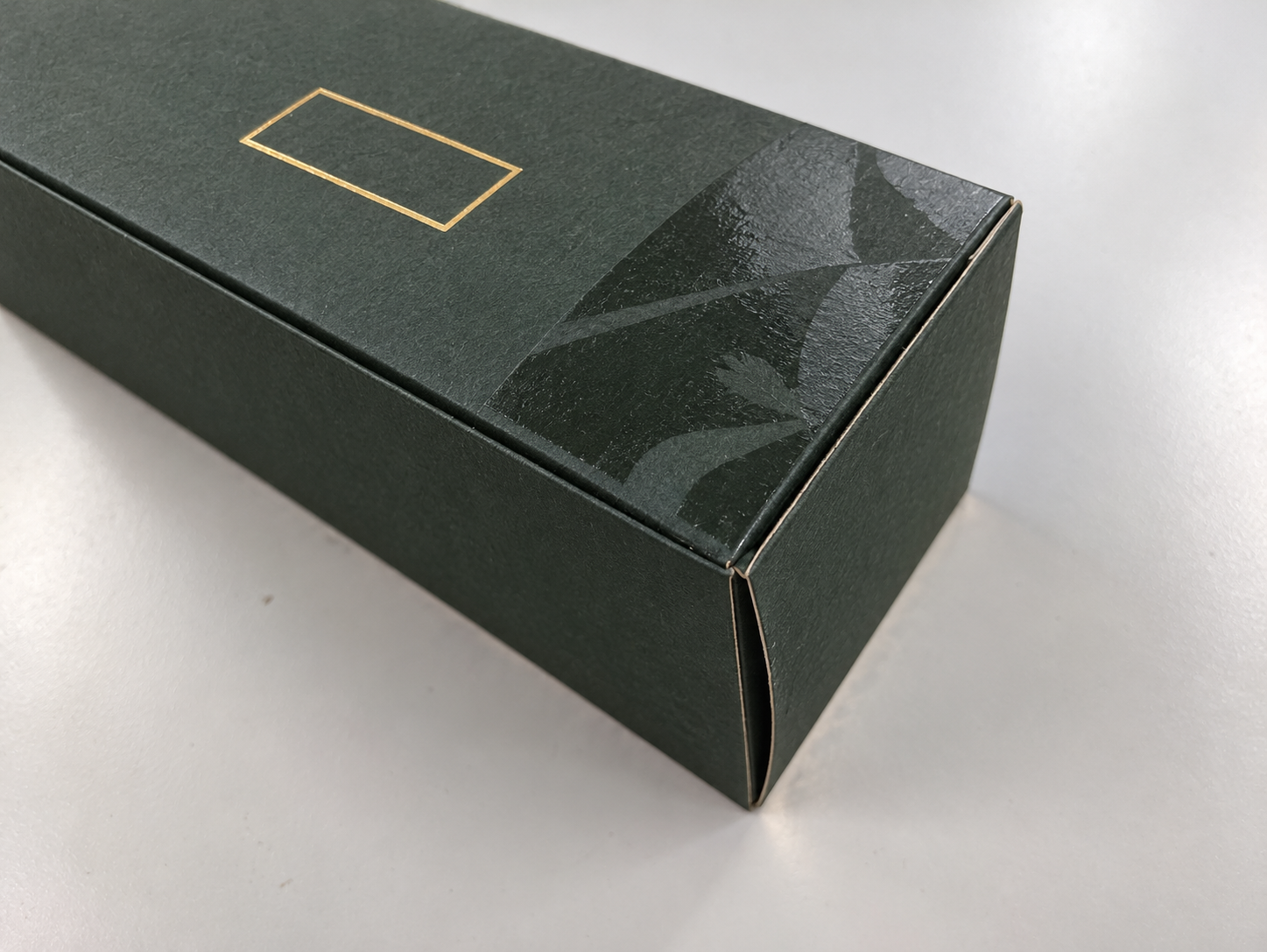
Gold foil can be stamped on selected UV-varnished cartons, but the surface and foil must match. Learn what to check before approving a finished box.
2026/10/26
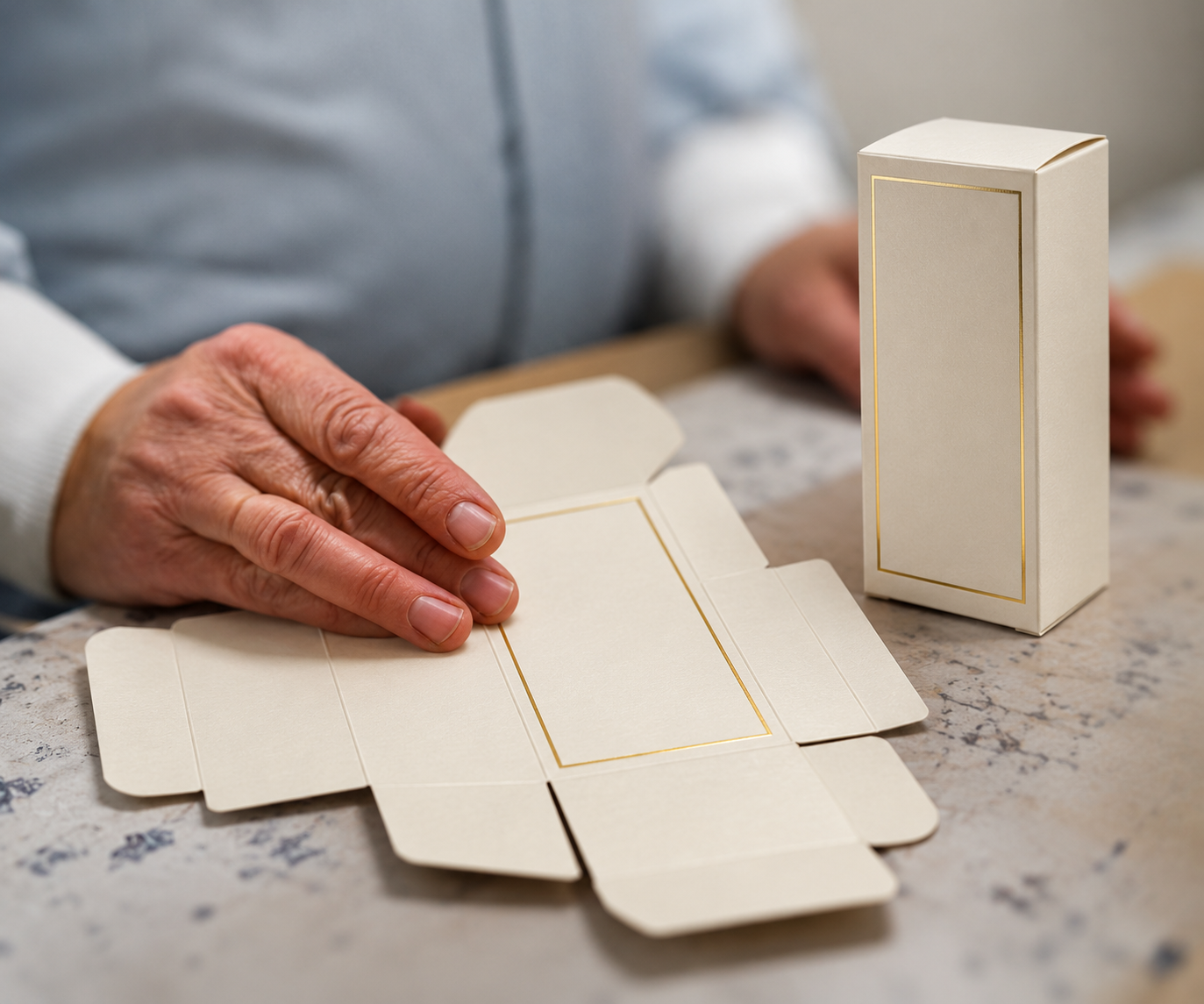
Gold foil can look perfect on a flat carton and crack after folding. See what to check in the artwork, board, crease and finished sample.
2026/10/27
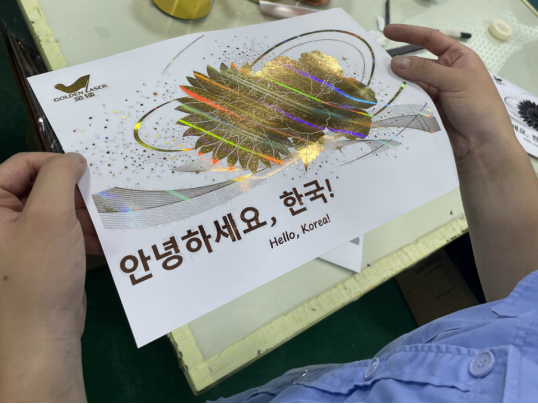
Hot stamping foil delivers metallic and holographic decoration for packaging, with reliable release, adhesion, and press performance.
2026/10/26
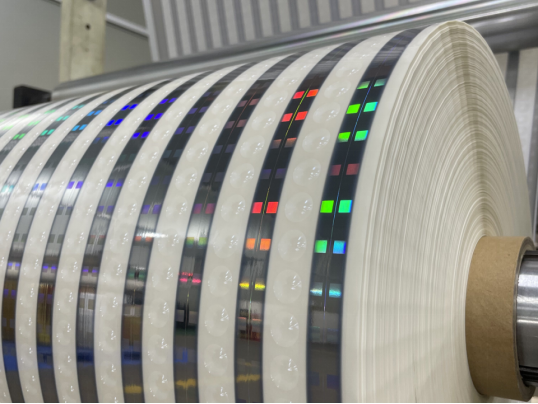
Holographic foil and hologram technology add layered authentication to packaging, supporting brand protection with verifiable optical security.
2026/10/22
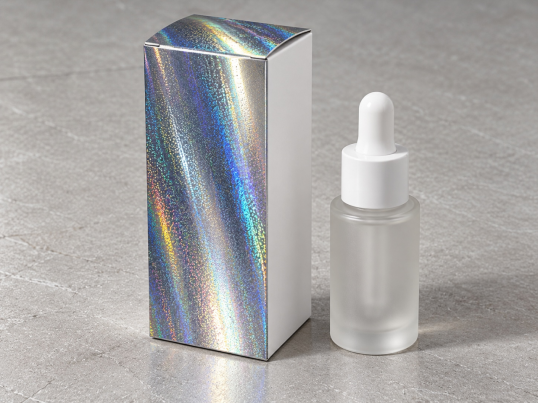
Holographic paper for cosmetic cartons adds light-shifting effects, foil stamping performance, and premium shelf appeal for beauty packaging.