EN

Hot Stamping Foil on UV-Varnished Cartons: What Buyers Should Check
2026/10/28
Gold foil can be stamped on selected UV-varnished cartons, but the surface and foil must match. Learn what to check before approving a finished box.
2026/10/26
2026/10/26
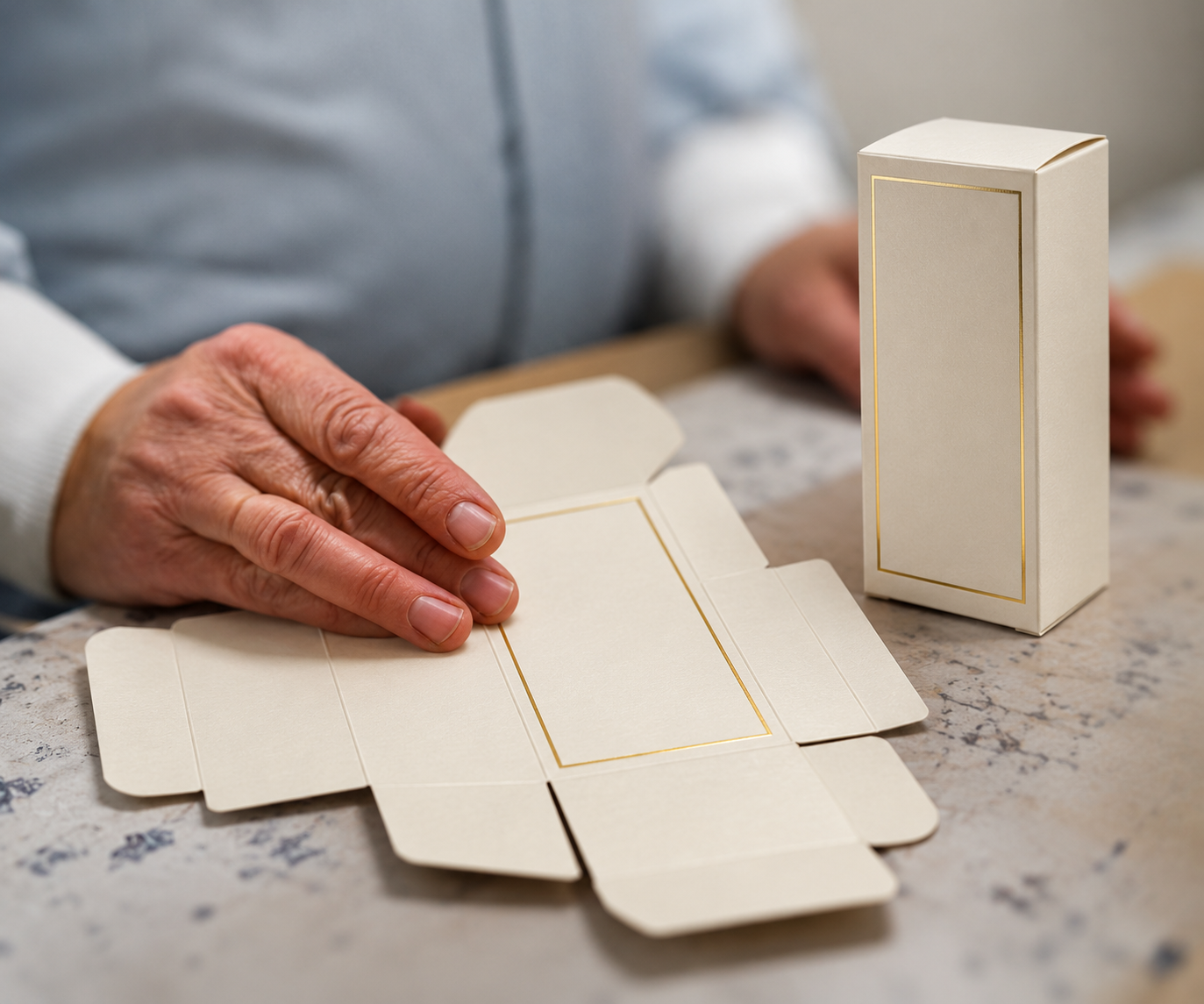
The gold band looked clean on the flat sheet. Then the carton was folded, and a pale line appeared through it. It is tempting to blame the foil, but the fold puts stress on the paperboard, its coating and the transferred foil at the same time. A good flat sample does not tell you how the finished box will behave.
Hot stamping foil cracking along a carton fold describes the symptom, but it does not identify the cause. Before ordering another roll, look closely at where the damage starts.
If the mark follows the crease exactly, start with the fold and the board beneath it. Is the printed or coated surface breaking too? If the foil lifts from an edge away from the fold, the receiving surface and foil transfer deserve a closer look. A dull, rubbed patch is a different problem again.
Take one photograph of the carton before folding and another after assembly. Mark the same spot on the artwork. These simple records give your printer and foil supplier something specific to investigate.
Compare the decorated carton with an unfoiled sample made from the same board and creased in the same direction. If both show a pale line, the board or coating may be breaking. If the board surface remains intact but the metallic layer lifts, check the receiving surface and foil transfer. Make this comparison on finished cartons; a flat sheet cannot reproduce the bend at the corner.
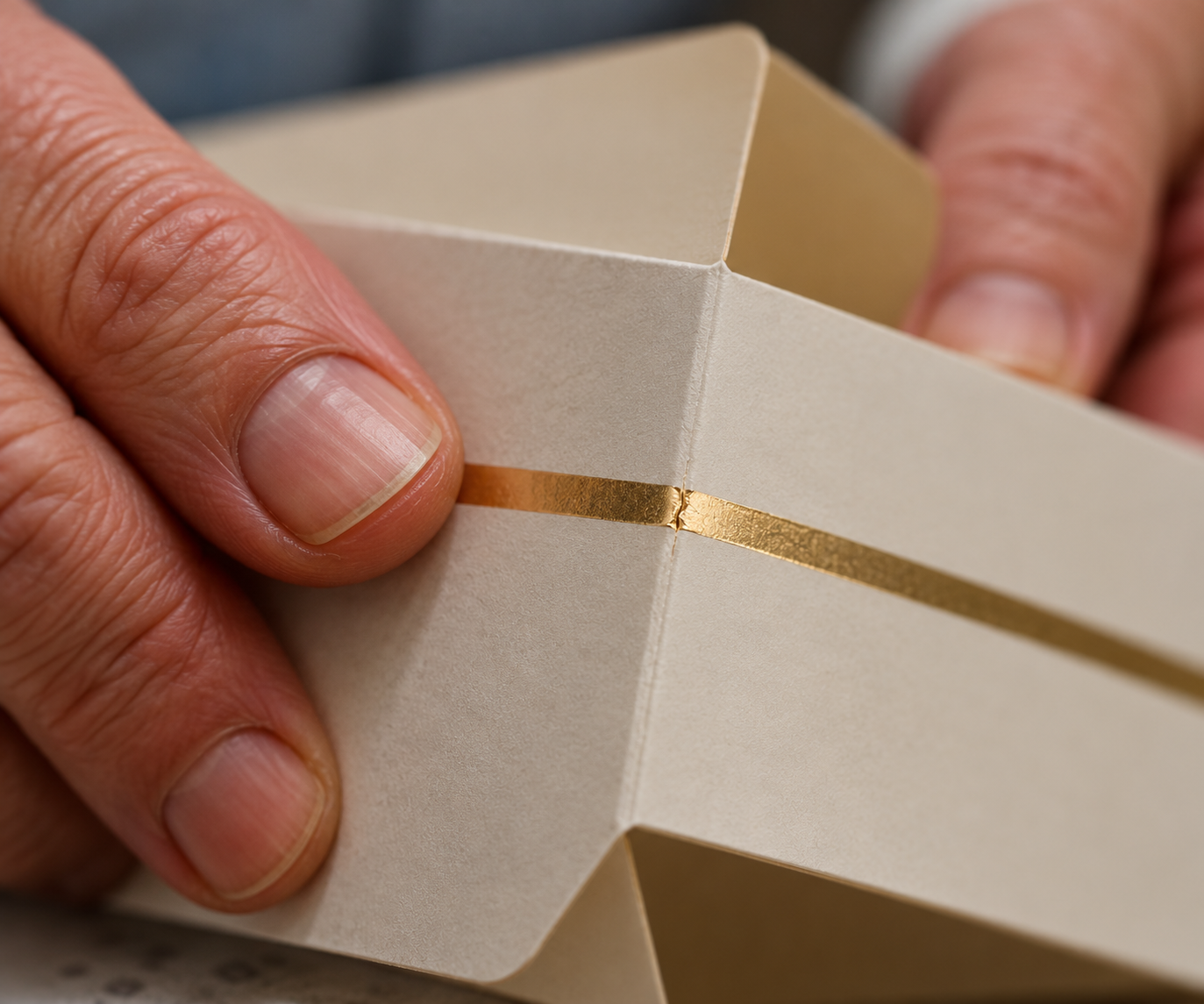
A logo or solid metallic band that crosses a score line will be bent every time the carton is formed. Where the design allows it, keep the most important foil detail on the face panel and away from the fold. If the design must continue across the corner, show the foil area and the score line together on the final dieline. Ask the converter to make a finished-box trial before approving that detail.
There is no useful one-size-fits-all distance from foil to fold. The board, finish, artwork and crease all affect what can be made cleanly. A fixed number on a drawing cannot replace a trial on the intended carton.
Review the carton as it will be folded, not only as a flat layout. A wide gold panel crossing a corner may show a line more clearly than a small logo in the same place. When the metallic detail is essential to the design, ask for a sample that includes the complete graphic and the actual crease. A small foil swatch cannot answer that question.
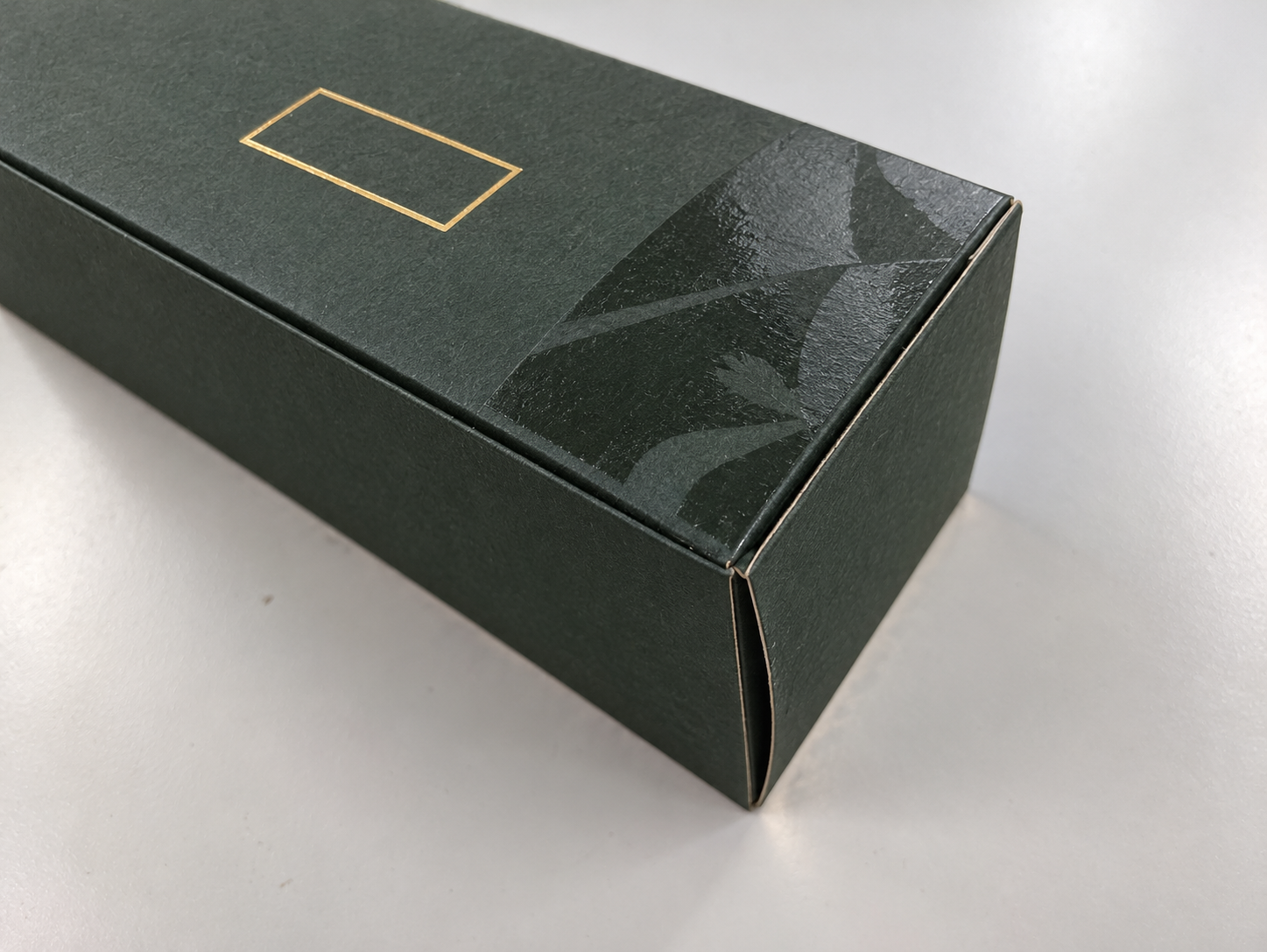
"Paperboard" does not describe the whole stamping surface. A smooth coated board, a printed area, a varnish and a laminate can each present a different surface to the foil. Even if the same gold shade is used, the suitable foil grade and the finished appearance may change.
For a meaningful trial, use the board and surface finish planned for production. Show the converter where the gold will sit, including any printed color or coating below it. If the board itself cracks at the crease, changing only the foil is unlikely to solve the whole problem. The creasing setup and folding direction need to be reviewed with the board supplier or converter.
Tell the supplier whether the foil will be stamped directly onto board, over ink, over a coating or onto a laminated face. A trial on plain unprinted board may look clean while the finished printed carton behaves differently. Keep the approved surface construction with the artwork and sample record, so a later material change does not silently change the result.
Ask to see a sample made with the planned materials and production sequence, including the actual printing or coating, foil stamping, creasing, folding and gluing steps. Check the gold on the flat sheet, on the outside of the fold and on the assembled box. Look at the front panel as a shopper would, then inspect the crease up close.
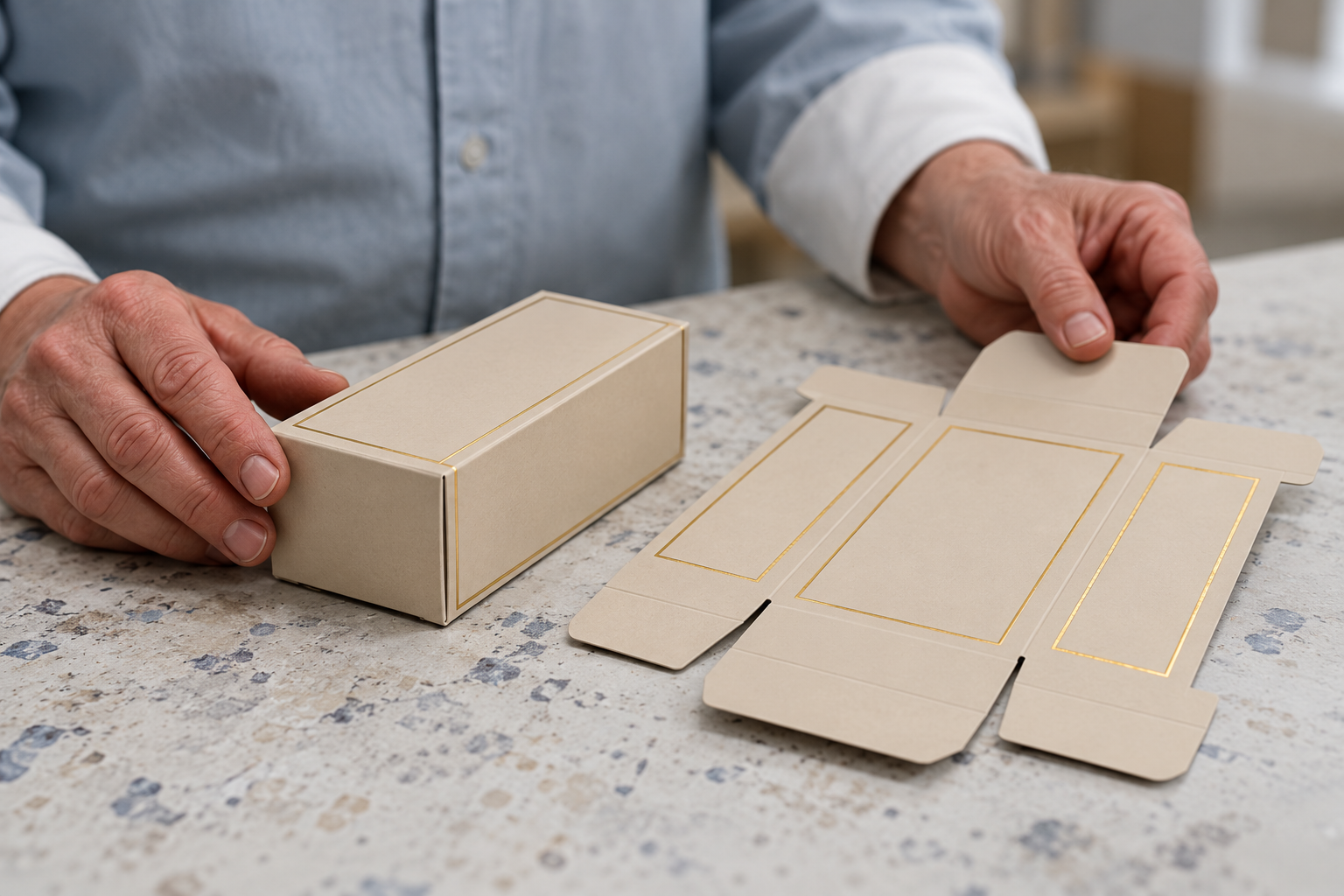
If a defect appears, keep the failed sample as well as the best result. Record the board, surface finish, foil grade, artwork version and press setup used for each trial. That makes the next adjustment more useful than simply increasing heat or pressure and hoping the line disappears.
For approval, compare samples under the same lighting and from the same viewing distance. Note whether the mark is visible on the shelf-facing panel or only under close inspection of the crease. These are different decisions for a brand team. Agree on the finished carton as the reference sample before production, then keep it available for the next run.
Send the finished paperboard or a representative sample, the final dieline with the foil area and fold marked, and photographs showing the defect before and after folding. Include the printed or coated surface, the intended gold appearance and the planned converting steps. If a previous trial failed, include that sample and the foil grade used. This gives the converter and foil supplier a way to compare the same problem, rather than guessing from a description such as "the gold cracked."
For bright gold on smooth coated paperboard, see our Hot Stamping Foils for Paper & Paperboard and ask about a grade matched to the actual carton surface. The right approval sample is a finished carton, not a loose strip of gold foil.
2026/10/28
Gold foil can be stamped on selected UV-varnished cartons, but the surface and foil must match. Learn what to check before approving a finished box.
2026/10/27
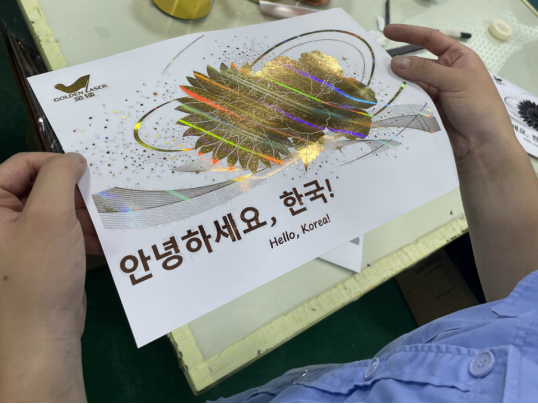
Hot stamping foil delivers metallic and holographic decoration for packaging, with reliable release, adhesion, and press performance.
2026/10/26
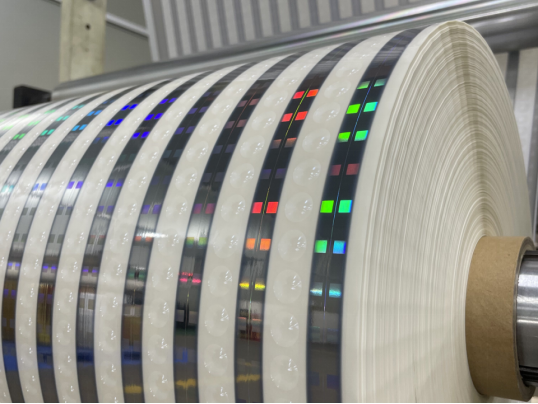
Holographic foil and hologram technology add layered authentication to packaging, supporting brand protection with verifiable optical security.
2026/10/23
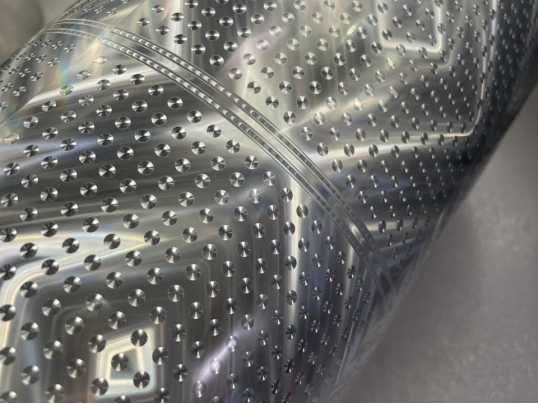
Holographic foil and hot stamping elevate packaging perceived value with consistent optical effects for premium cartons.
2026/10/22
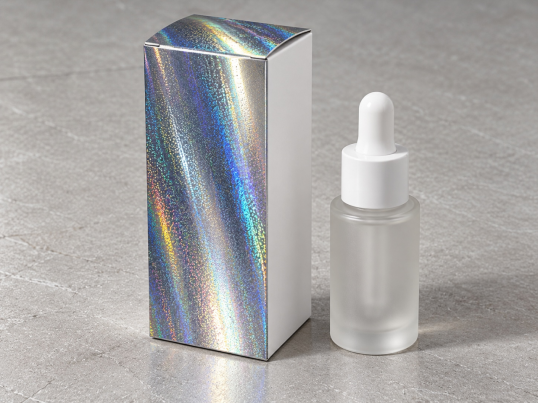
Holographic paper for cosmetic cartons adds light-shifting effects, foil stamping performance, and premium shelf appeal for beauty packaging.