EN

Why Does Hot Stamping Foil Crack When a Carton Is Folded?
2026/10/26
Gold foil can look perfect on a flat carton and crack after folding. See what to check in the artwork, board, crease and finished sample.
2026/10/28
2026/10/28
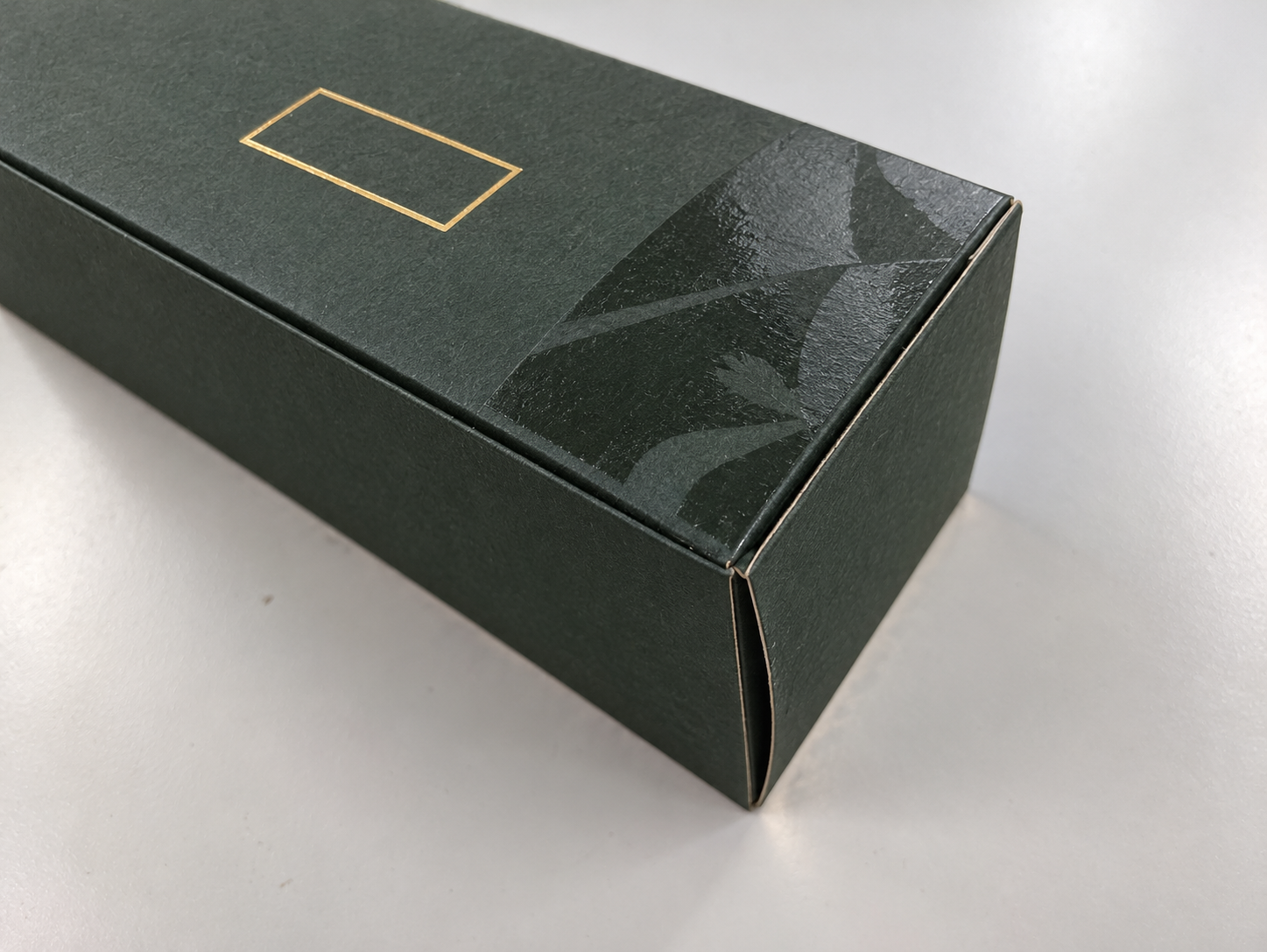
The artwork looks straightforward: a glossy carton with a gold logo. Then the printer asks a question that can change the result: will the gold be stamped on top of the UV varnish, or will the varnish stop short of the gold area?
The short answer is yes, hot stamping foil can be used on selected UV-varnished cartons. But “UV varnish” describes a finishing process, not one identical surface. The varnish, the foil, the paperboard and the order of production all matter. A foil that transfers well onto plain coated board may not behave the same way on the finished varnished sheet.
Ask your printer for a simple layer order. Is the carton printed, UV-varnished and then hot stamped? In that case, the foil must bond to the cured varnish. Is the varnish left off the gold area? Then the foil may contact ink or coated board instead. Is a clear coating planned after stamping? That is a different question: the coating must be compatible with the transferred foil surface.
These routes can look nearly identical in a digital mock-up. They are not interchangeable in production. A useful proof shows the actual layer order, not just the intended appearance. Mark the foil and varnish areas separately on the artwork, especially where they touch or overlap.
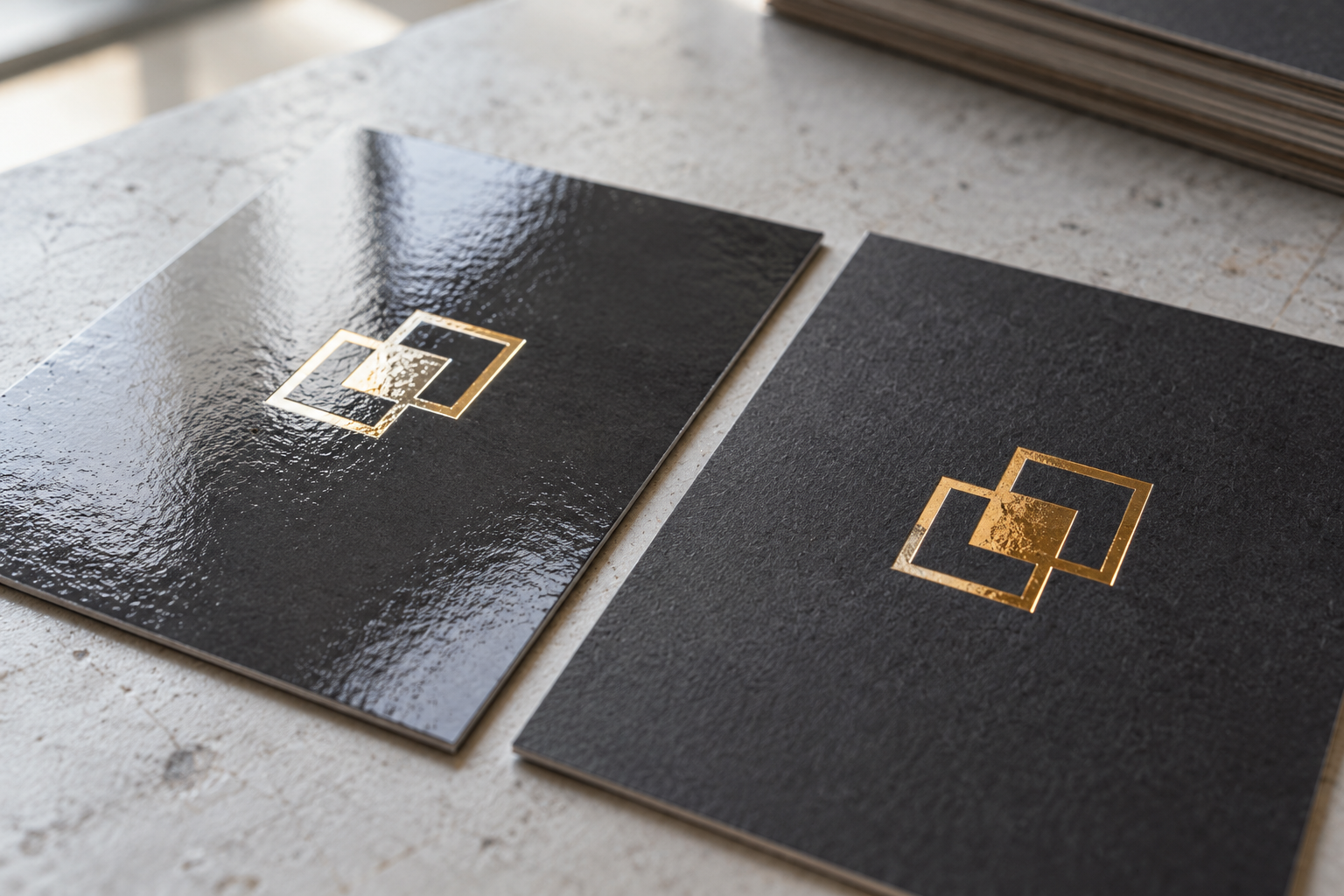
It is easy to assume that a smooth, glossy surface will always accept foil neatly. In practice, the receiving surface is defined by the particular varnish formulation, how it was applied and how completely it was cured. Surface additives or contamination may also affect transfer. A different varnish on the next print run can change the result even if the carton still looks glossy.
This does not mean UV varnish and hot foil are a bad combination. Foil suppliers offer grades intended for selected UV-coated surfaces. The point is to match the grade to the actual printed and varnished board. Do not approve a roll solely because its color is right or because it worked on a different carton.
For the first trial, use the board, ink and UV varnish planned for production. Include the smallest gold detail and the largest solid area in the same test. A tiny logo tests clean edges; a wide gold panel tests even coverage. If the artwork uses both, a sample with only one cannot approve the whole job.
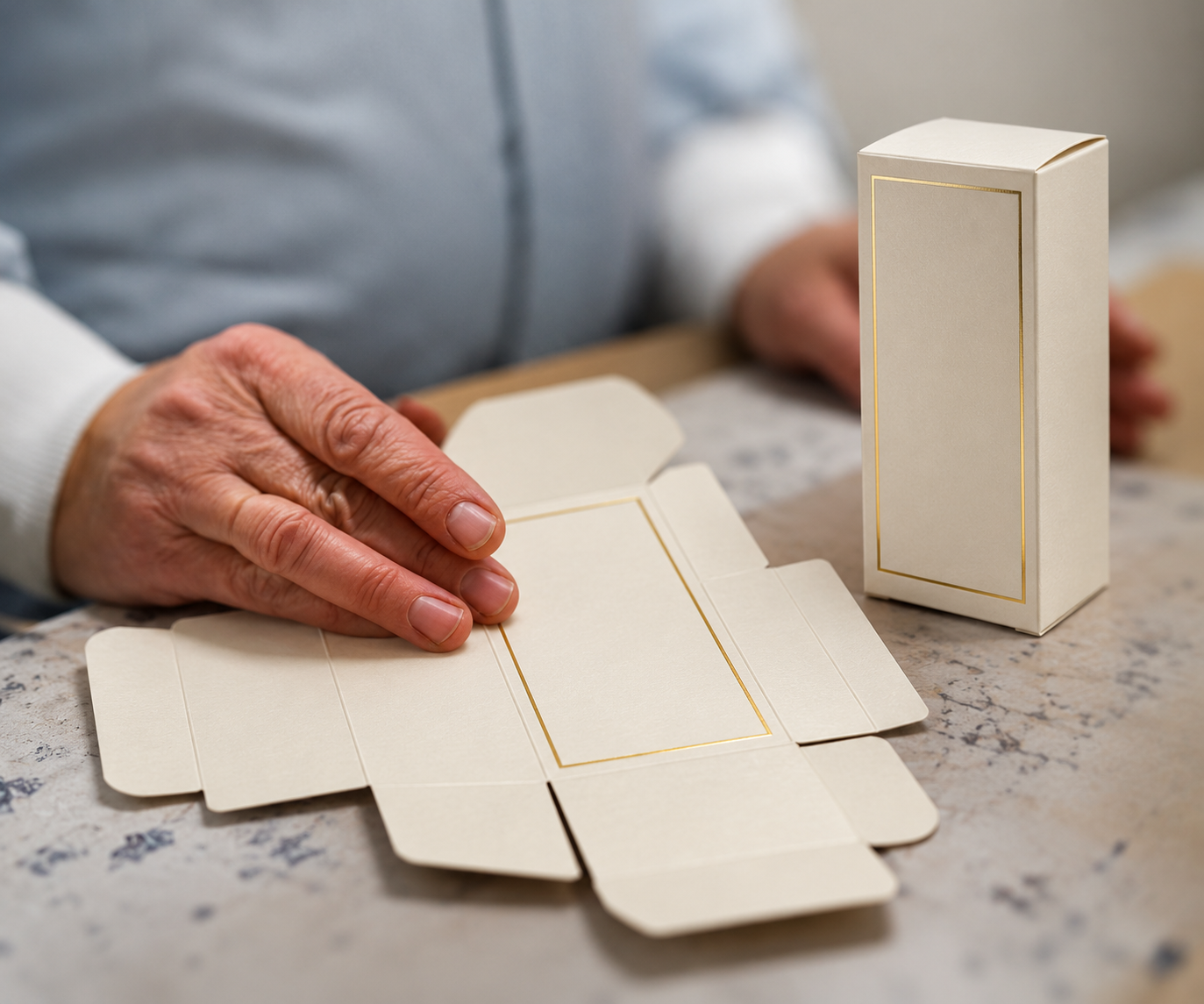
Look at the sample after it has cooled. Check whether the gold edge is clean, whether the center of a larger area has transferred evenly and whether the foil stays attached during ordinary handling. Ask the converter to use the adhesion and rub checks appropriate to the finished pack. If the carton will be creased and folded, inspect the assembled box as well as the flat sheet.
Photograph the approved sample under the same lighting used for later comparisons. Gold can appear warmer or duller as the viewing angle changes, while a lifting edge is a physical defect. Keeping a physical reference makes that distinction much easier on a repeat order.
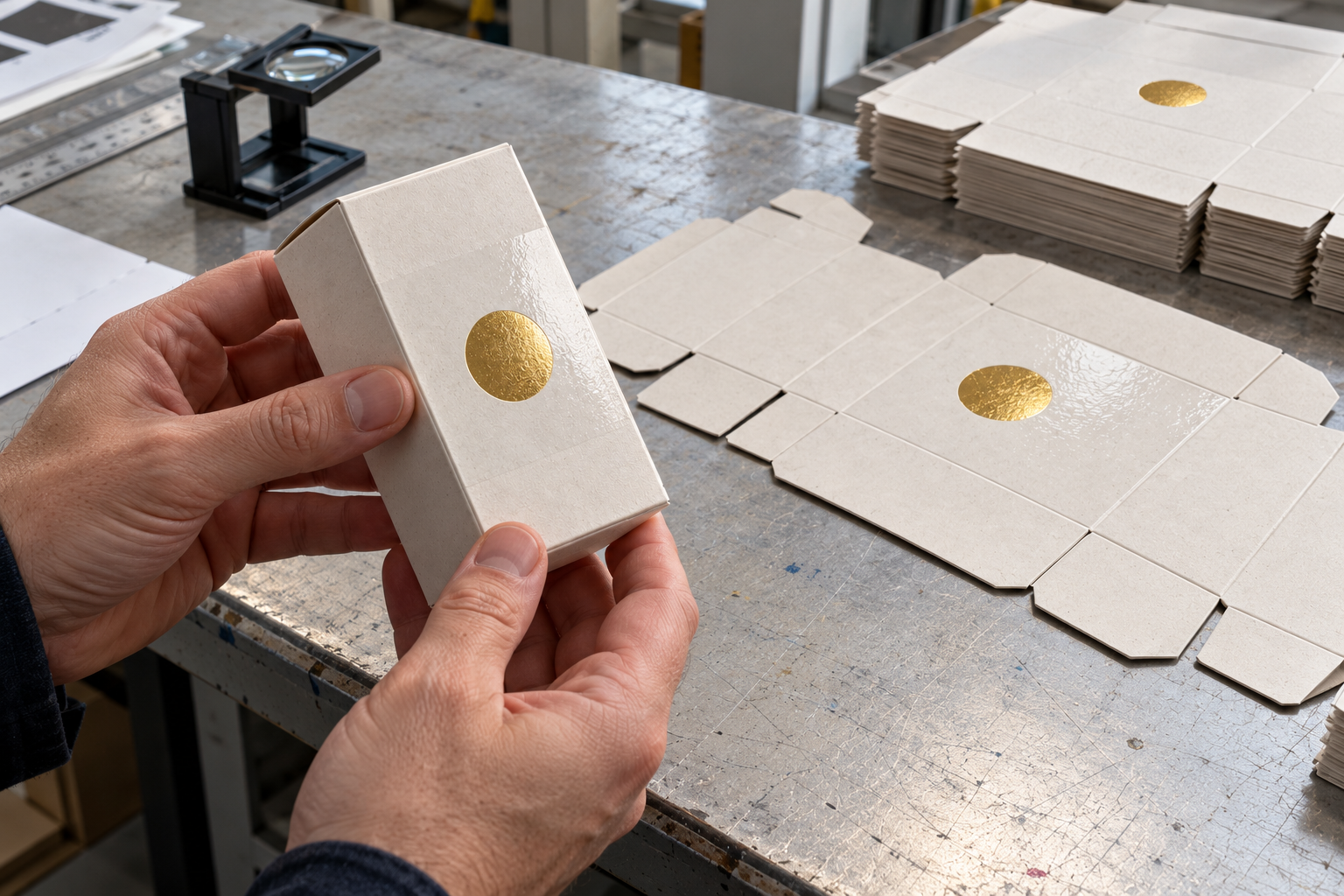
Start with where the problem occurs. Does the foil fail only on the varnished area, but hold on an unvarnished test patch? That points to the receiving surface or foil match. Does a large gold block have gaps while small details are clean? Review contact and coverage across the full design. Are edges messy while the center looks fine? Look at the artwork, die and transfer settings together.
Do not treat more heat or more pressure as an automatic cure. Those changes may improve one part of the image while damaging another or changing the board's appearance. Keep failed and improved samples with their material and setup records, so the printer and foil supplier can compare one change at a time.
There are three common ways to organize the finish. You can stamp onto a UV-varnished surface with a compatible foil. You can reserve an unvarnished window for the gold, if the design and registration allow it. Or you can apply a coating after stamping, provided that coating is suitable for the selected foil. None is automatically best for every carton.
The right choice depends on the visual effect, artwork, press sequence, cost and the approved finished sample. If a glossy field and a gold emblem must overlap exactly, make that overlap part of the trial. If the gold is separate from the gloss, a reserved window may simplify the job, but it still needs accurate production alignment.
Send a piece of the actual printed and UV-varnished board, not just an unprinted paper sample. Include the varnish type or supplier reference if available, the production sequence, the gold artwork at finished size, the machine type and a photo of any failed trial. State whether the gold is stamped over the varnish, beside it or under a later coating.
For paperboard packaging, see our Hot Stamping Foils for Paper & Paperboard. A suitable grade should be confirmed on your finished surface, then approved on a completed carton. That is a much stronger basis for ordering than a good-looking screen mock-up.
2026/10/26
Gold foil can look perfect on a flat carton and crack after folding. See what to check in the artwork, board, crease and finished sample.

2026/10/27
Hot stamping foil delivers metallic and holographic decoration for packaging, with reliable release, adhesion, and press performance.
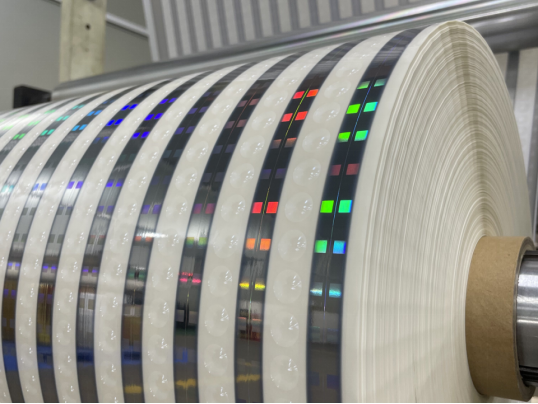
2026/10/26
Holographic foil and hologram technology add layered authentication to packaging, supporting brand protection with verifiable optical security.
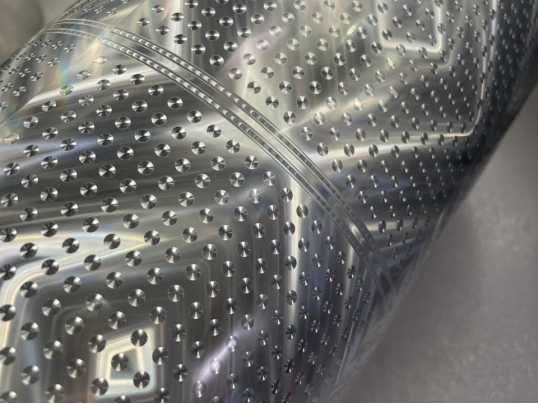
2026/10/23
Holographic foil and hot stamping elevate packaging perceived value with consistent optical effects for premium cartons.
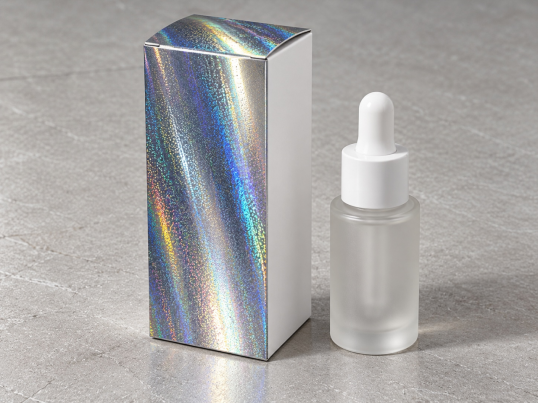
2026/10/22
Holographic paper for cosmetic cartons adds light-shifting effects, foil stamping performance, and premium shelf appeal for beauty packaging.