EN
Hot Stamping Foil on UV-Varnished Cartons: What Buyers Should Check
2026/10/28
Gold foil can be stamped on selected UV-varnished cartons, but the surface and foil must match. Learn what to check before approving a finished box.
2026/09/24
2026/09/24
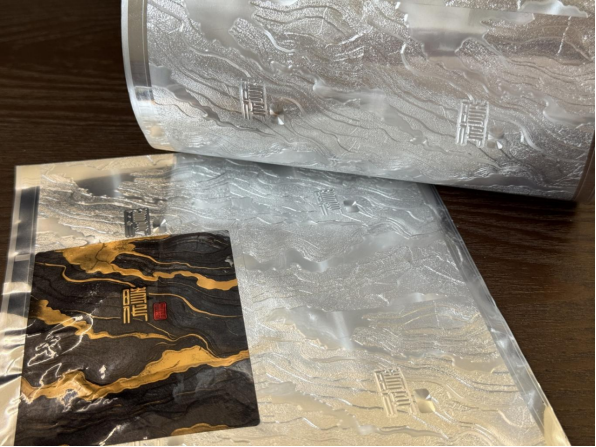
Holographic paper and metallic paper can look similar under one light. Change the angle, and the gap shows up. Metallic paper behaves like a mirror, reflecting light back at a predictable angle. Holographic paper carries a microscopic diffraction grating, so light splits, bends, and shifts color as the viewing angle changes. That grating is a physical relief, not a printed rainbow. It is held in a lacquer layer over a vacuum-metallized aluminum layer, replicated from an approved master onto a carrier film, and transferred to the paper or board under heat, pressure and dwell. One surface is about reflection. The other is about diffraction and interference. That difference shapes printability, scratch risk, and scan behavior.
Both begin as a stamping foil. Holographic and metallic foils for paper and paperboard are supplied as rolls and transferred onto the substrate, so this is a foil decision as much as a paper decision.
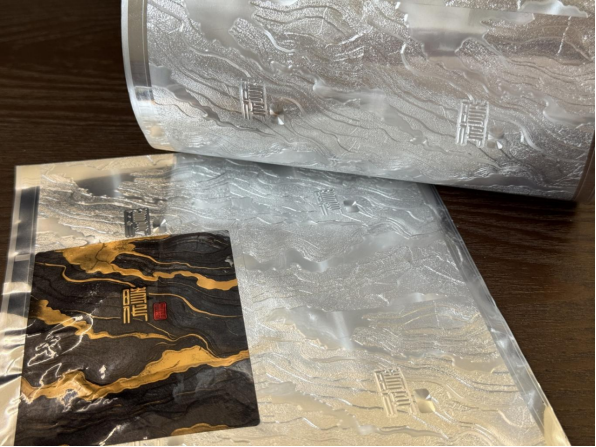
Metallic paper typically uses a vacuum-metallized aluminum layer or a transfer-metallized layer, followed by a top coat that gives ink something to grip. A smooth top coat can produce high gloss. Gloss is measured with a glossmeter at 60, 20 or 85 degrees as described in ASTM D523, which covers nonmetallic specimens, so on a metallized sheet the reading comes from the coating over the aluminum rather than from the metal itself. A mirror finish can also create hot spots that wash out small type.
Holographic paper relies on a relief pattern measured in nanometers. Light hits the grooves and recombines. Some wavelengths cancel, others reinforce. A package can shift from green to magenta as it tilts. The effect is structural, so it does not fade like a dye. It can still lose brilliance if the relief is crushed, contaminated, or buried under too much coating.
Both effects are supplied as hot stamping foils for paper and paperboard, and the same optical design is also available through sheet-fed offset and flexo cold foil, screen and digital routes, so a pattern approved on one line can be carried to another without re-originating it.
|
Feature |
Holographic paper |
Metallic paper |
|
Light behavior
|
Diffraction and rainbow shift
|
Specular reflection and mirror shine
|
|
Surface structure
|
Embossed micro or nano relief
|
Aluminum layer plus top coat
|
|
Code and camera contrast
|
Diffraction scatters light; contrast depends on pattern and code placement
|
Glare can blow out contrast
|
|
Scuff sensitivity
|
Moderate to high if the relief is exposed
|
Moderate, depends on top coat
|
|
Relative cost
|
Higher, set by pattern and foil construction
|
Lower, wider supply base
|
The table is a starting point for a specification talk, not a ranking.
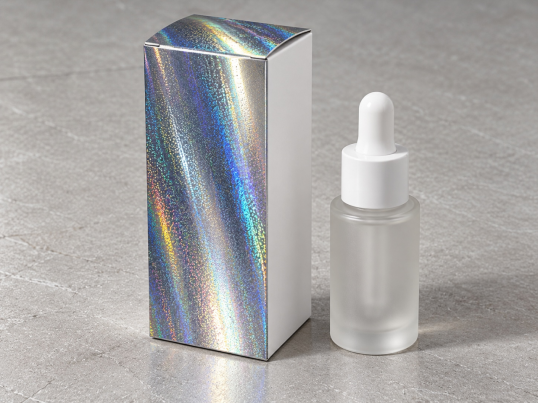
Holographic paper earns its keep when motion, security, or premium cues matter. Cosmetics and perfume cartons, wines and spirits labels, premium gift boxes and tobacco packaging are where the effect is usually specified, because those categories pay for a visual cue that registers before any copy is read. The shifting pattern is also harder to duplicate than a printed metallic, which is why holographic foils are paired with registered security graphics, micro-text and one-item-one-code marks on packs that need tool-free verification.
Code readability belongs to the same specification stage. A mirror-like surface and a diffraction pattern send light back differently, so a barcode or camera target is checked under the lighting the pack will actually meet, with a matte varnish or a quiet zone reserved where contrast drops. That is a check to run before the artwork is signed off, not a defect of either material.
That check also marks a boundary. Holographic paper is not automatically better for every job. Fine serif type over a busy rainbow pattern can become hard to read. Quiet zones or opaque white ink are usually needed to anchor the message.
Metallic paper remains a workhorse for cost-sensitive, high-impact work. It gives a clean silver or gold look that reads from a distance. With the right primer, it runs on standard offset, flexo, and digital presses. For premium gift boxes, book covers and commercial print, metallic foil delivers a clean shine at a lower unit cost. It also holds dense black text and fine line work well, because the surface is flat rather than patterned.
The catch is glare. A flat metallic sheet can act like a mirror under direct light. Barcodes, QR codes, and small regulatory text may need matte varnish, a textured top coat, or repositioning to keep contrast where a scanner needs it.
Both substrates demand attention on press. Metallic paper usually needs a primer or suitable top coat to hold ink. Without it, adhesion can fail on creases or die-cut edges. Holographic paper adds the relief pattern as another variable. If the pattern is too coarse, toner and UV ink may sit unevenly. If it is too fine, the sparkle can vanish under heavy coating.
Check surface energy before printing. A dyne pen check takes seconds and flags a surface that will not hold ink before the run starts.
Match varnish to the effect. Gloss amplifies metallic shine but can kill holographic motion. Matte protects while softening the rainbow.
Test folding and scoring. Holographic layers can crack if the carrier is stiff or the score is too sharp.
Verify code readability on the finished pack. Contrast is measured under the lighting the pack will actually meet, with a quiet zone or matte varnish reserved where it drops.
Start with the job the package must do. If the goal is a mirror-like luxury look at a reasonable cost, metallic paper is often the practical answer. If the goal is color shift, motion, and a feature that is harder to duplicate, holographic paper usually justifies the extra steps. The decision should include the converting line, lighting environment, and recycling stream.
GL Foils has manufactured stamping foils since 2008, with in-house R&D, testing and inspection centers and a broad foil portfolio. Its holographic and metallic hot stamping foils for paper and paperboard let a converter compare both effects on the same substrate before a specification is fixed.
2026/10/28
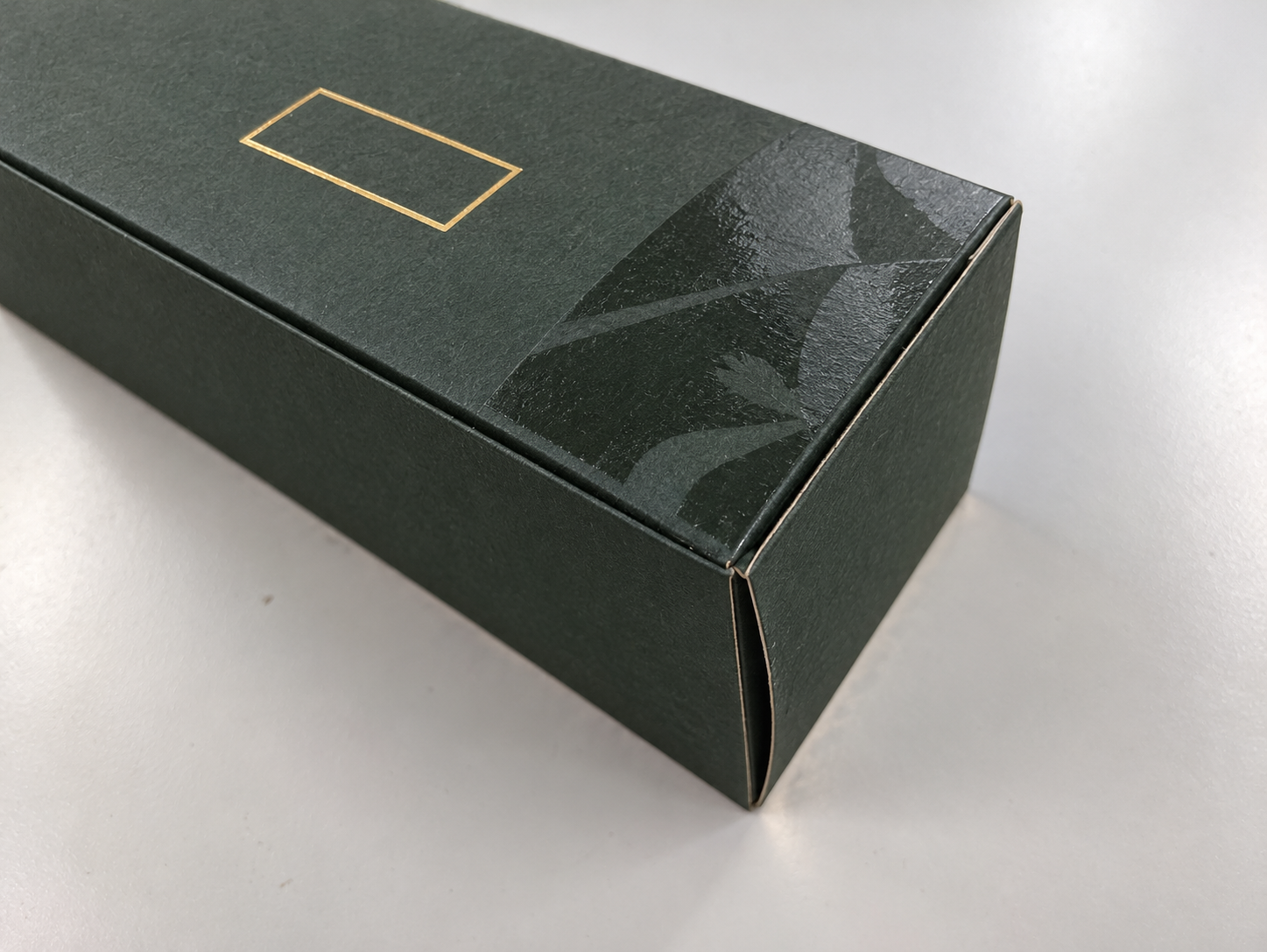
Gold foil can be stamped on selected UV-varnished cartons, but the surface and foil must match. Learn what to check before approving a finished box.
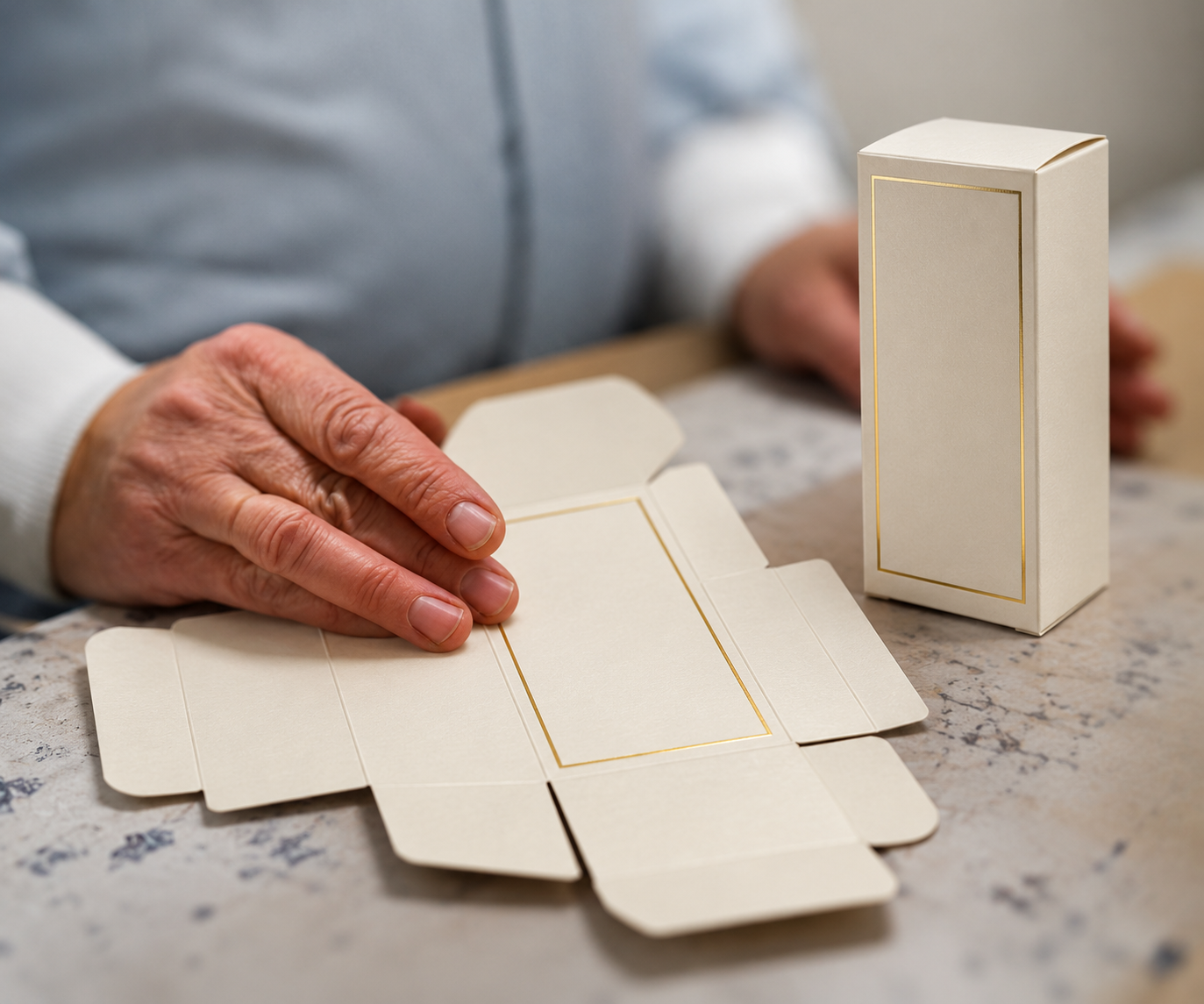
2026/10/26
Gold foil can look perfect on a flat carton and crack after folding. See what to check in the artwork, board, crease and finished sample.
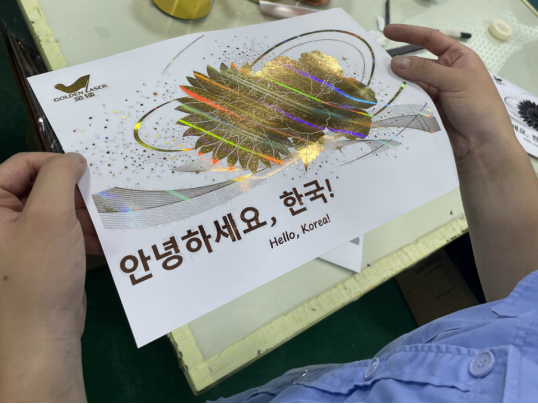
2026/10/27
Hot stamping foil delivers metallic and holographic decoration for packaging, with reliable release, adhesion, and press performance.
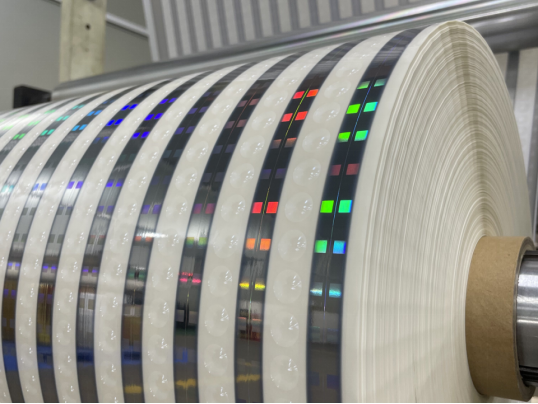
2026/10/26
Holographic foil and hologram technology add layered authentication to packaging, supporting brand protection with verifiable optical security.
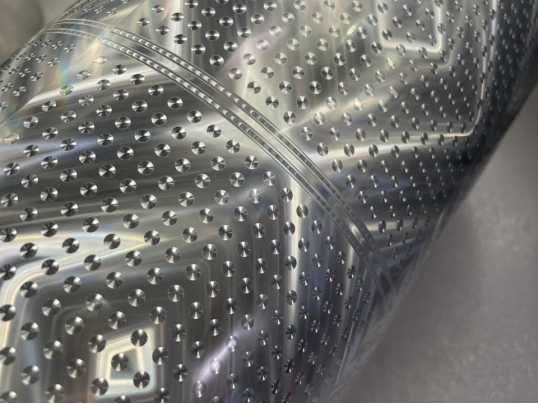
2026/10/23
Holographic foil and hot stamping elevate packaging perceived value with consistent optical effects for premium cartons.
2026/10/22
Holographic paper for cosmetic cartons adds light-shifting effects, foil stamping performance, and premium shelf appeal for beauty packaging.